The world of cannabis is vast and diverse, offering a multitude of compounds that contribute to its varying effects on the human body. Two of the most well-known and researched compounds in cannabis are delta-9-tetrahydrocannabinol (THC) and cannabidiol (CBD). This article aims to provide a comprehensive overview of THC and CBD, shedding light on their distinct properties, effects, and potential therapeutic applications.
THC: The Psychoactive Powerhouse
THC is the compound responsible for the “high” commonly associated with cannabis. When it binds to the cannabinoid receptors in the brain and central nervous system, it triggers a cascade of effects that can lead to altered perception, euphoria, and relaxation. While the psychoactive effects of THC can be pleasurable for recreational users, they may not be suitable for everyone. It’s important to note that excessive THC consumption can lead to side effects such as anxiety, paranoia, and impaired cognitive function.
CBD: Calming and Non-Intoxicating
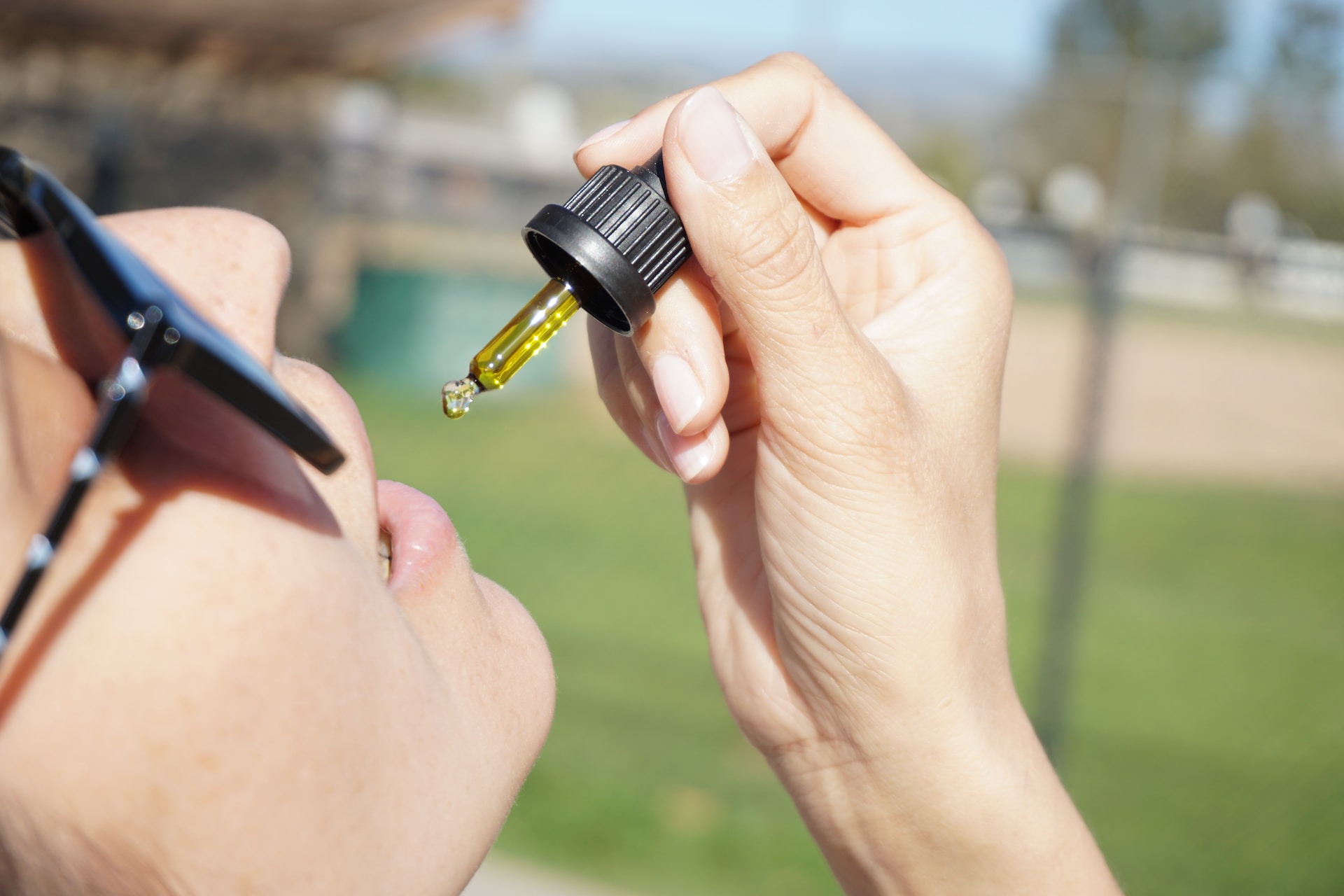
CBD, in contrast to THC, does not produce the same intoxicating effects. It interacts with the endocannabinoid system in a different way, potentially promoting balance and relaxation without the mind-altering sensations. CBD has gained attention for its potential therapeutic benefits, including its use in managing anxiety, pain, inflammation, and even certain seizure disorders. It’s important to mention that while CBD is generally well-tolerated, individual responses can vary, and some users may experience mild side effects like drowsiness or changes in appetite.
Synergistic Effects: The Entourage Effect
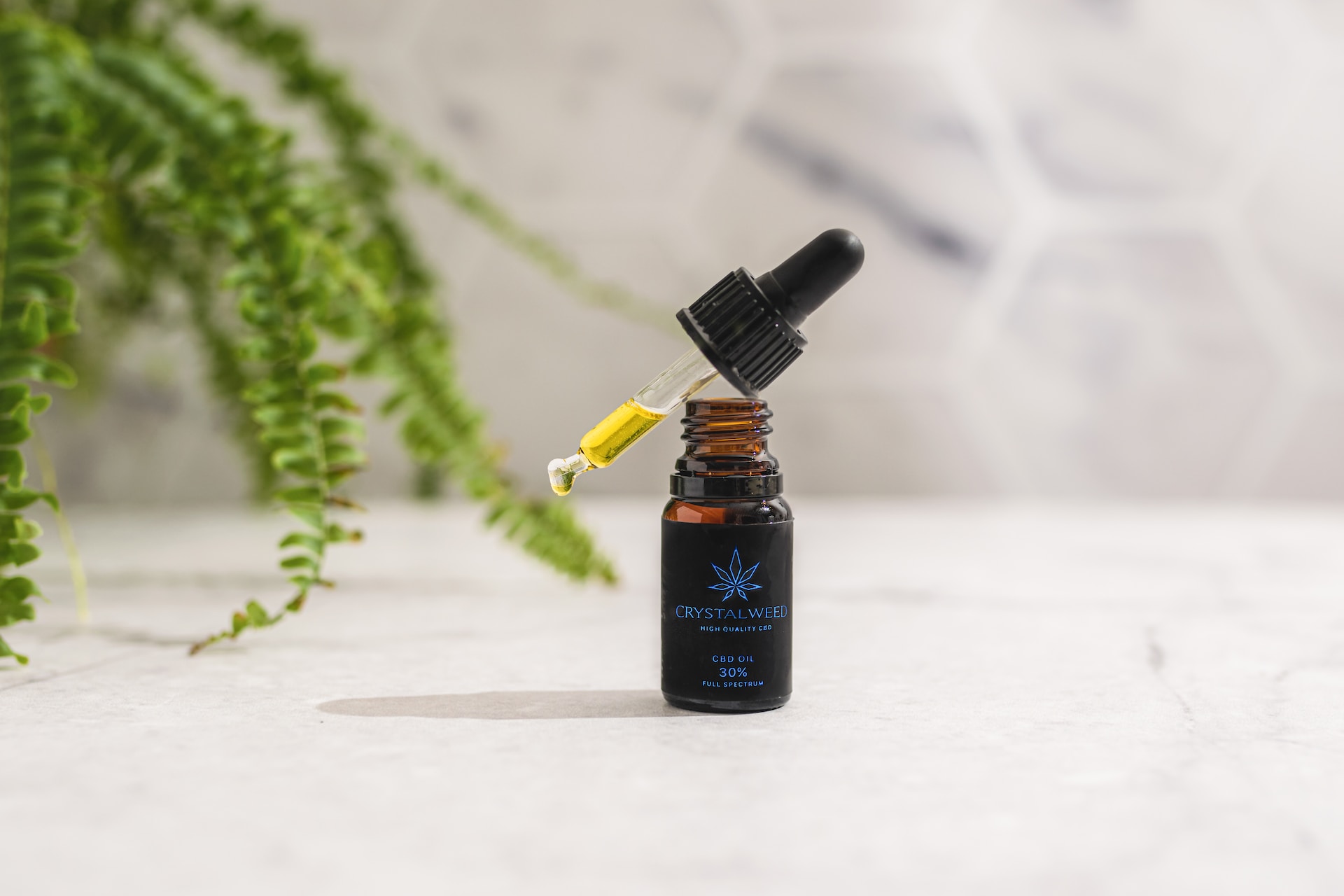
In addition to THC and CBD, cannabis contains a range of other compounds such as terpenes, flavonoids, and minor cannabinoids. When these compounds work together, they create what’s known as the “entourage effect.” This phenomenon suggests that the combined presence of multiple compounds enhances the overall therapeutic effects of cannabis, potentially making full-spectrum products more potent and effective than isolates.
Choosing the Right Balance
The choice between THC and CBD largely depends on individual preferences, needs, and circumstances. For those seeking recreational experiences, strains with higher THC content might be appealing. On the other hand, individuals looking for symptom relief without the high might opt for CBD-dominant products. Some individuals may even find that a balanced THC-to-CBD ratio best suits their needs.
Navigating Legal and Safety Considerations
It’s crucial to be aware of the legal status of THC and CBD in your jurisdiction. While CBD derived from hemp is legal in many places, THC’s legality varies widely, often depending on whether it’s for medical or recreational use. Additionally, sourcing cannabis products from reputable and regulated sources is vital to ensure their quality and safety.
Conclusion
Understanding the differences between THC and CBD is essential for anyone considering cannabis for recreational or medicinal use. Whether you’re seeking relaxation, symptom relief, or simply curious about cannabis’s effects, knowing the distinct properties of these compounds empowers you to make informed decisions. By weighing the potential benefits and risks of THC and CBD, you can navigate the world of cannabis with confidence and responsibility.